UN Women report warns of rising AI-driven online abuse targeting women journalists
The findings show that 12 per cent of women human rights defenders, activists, journalists and media workers have experienced non-consensual sharing of personal images, including intimate or sexual content. Six per cent reported being targeted using deepfakes, while nearly one in three said they had received unwanted sexual advances through digital platforms.
A new United Nations Women report has raised concern over a growing wave of online abuse targeting women journalists, warning that the use of advanced digital tools, including artificial intelligence, is making the attacks more severe and pushing many victims into self-censorship and mental health struggles.
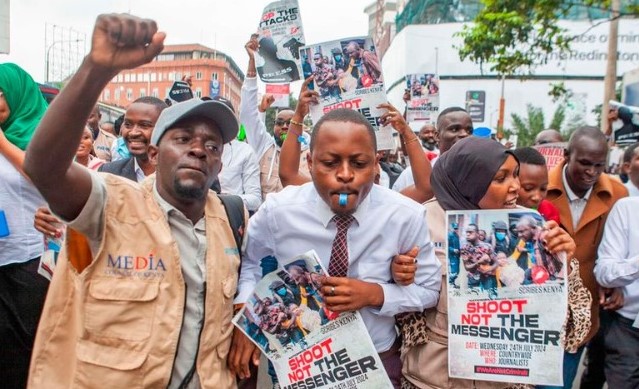
The report, released in New York ahead of World Press Freedom Day on May 3,2026 shows that cases of online violence against women journalists reported to police have doubled since 2020. It also finds that nearly one in four affected women have suffered anxiety or depression linked directly to digital harassment.
Titled Tipping point: Online violence impacts, manifestations and redress in the AI age, the study was developed by UN Women in partnership with The Nerve and other organisations. It documents what it calls “growing and increasingly sophisticated forms of online violence faced by women in public life—particularly women journalists and media professionals.”
The findings show that 12 per cent of women human rights defenders, activists, journalists and media workers have experienced non-consensual sharing of personal images, including intimate or sexual content. Six per cent reported being targeted using deepfakes, while nearly one in three said they had received unwanted sexual advances through digital platforms.
The report adds that the harassment is often planned and coordinated, with the aim of silencing women and weakening their public credibility.
It further shows the effect on free expression, with 41 per cent of all women respondents saying they self-censor on social media to avoid abuse, while 19 per cent reported limiting their professional work.
Among women journalists, the situation appears more severe. The report states that 45 per cent reported self-censorship on social media in 2025, a 50 per cent rise since 2020, while 22 per cent said they had reduced the scope of their reporting work.
The psychological impact is also highlighted. The report notes that “nearly a quarter (24.7 per cent) of women journalists and media workers surveyed have been diagnosed with anxiety or depression connected to the online violence they’ve experienced,” while almost 13 per cent reported PTSD.
UN Women’s Chief of the Ending Violence against Women Section, Kalliopi Mingerou, said: “AI is making abuse easier and more damaging, and this is fueling the erosion of hard-won rights in a context marked by democratic backsliding and networked misogyny.”
The study also points to gaps in global laws, noting that fewer than 40 per cent of countries have legal measures dealing with cyber harassment or cyberstalking. It adds that 44 per cent of women and girls worldwide still lack proper legal protection against online abuse.
At the same time, the report notes a rise in accountability efforts. It shows that 22 per cent of women journalists reported incidents to police in 2025, up from 11 per cent in 2020, while nearly 14 per cent pursued legal action against perpetrators or employers.

Comments
Sign in with Google to comment, reply, and like comments.
Continue with Google